
Aging Into Homelessness: Why More Older Adults Are Losing Housing
Rising living costs, fixed incomes, and unexpected life changes are placing more older neighbors at risk
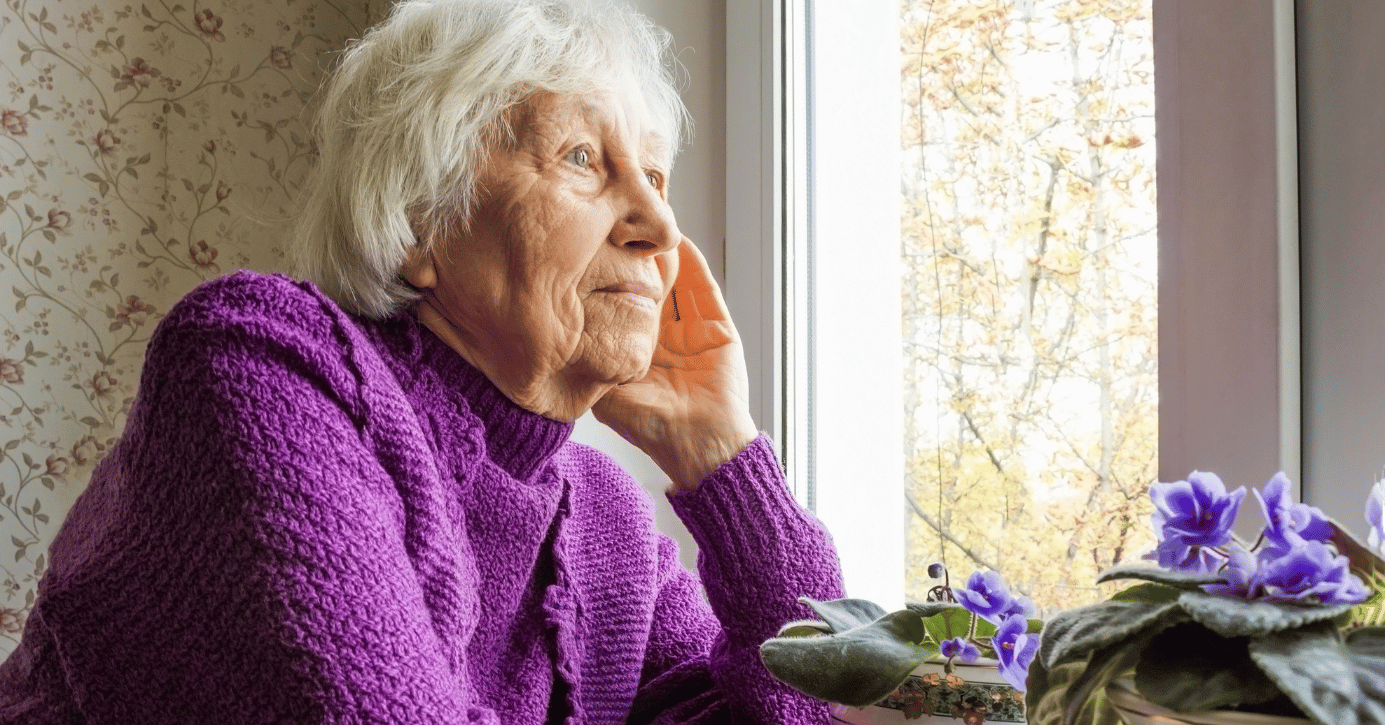
For many people, homelessness is associated with job loss early in adulthood or a long period of financial hardship. But across Central Florida, more older adults are losing housing after decades of working, raising families, and living independently.
Some have experienced homelessness for years and are growing older without stable housing. Others are facing it for the first time following retirement, illness, the death of a spouse, or an unexpected increase in expenses. Understanding homelessness in older adults can help our community recognize the warning signs and respond before a temporary setback becomes a crisis.
A rapidly growing need
Central Florida’s 2026 Point-in-Time Count identified 2,724 people experiencing homelessness across Orange, Osceola, and Seminole counties. While the overall number remained nearly unchanged from 2025, the people experiencing homelessness are changing.
More than 700 adults age 55 and older were identified in the 2026 count, making older adults one of the fastest-growing groups among the region’s unhoused population. Homeless Services Network of Central Florida also reports that seniors age 65 and older are now the region’s fastest-growing homeless population.
The 2026 data also points to more people experiencing homelessness for the first time. In April alone, more than 1,300 people who sought housing assistance reported being homeless for the first time in at least two years. For older adults who have spent decades living independently, a sudden financial or housing crisis can quickly create circumstances they never expected to face. [1] [2]
Related resource:
Homelessness in Seminole County and How You Can Help
Why are more older adults losing housing?
Homelessness rarely results from one decision or event. It often happens when several challenges build upon one another.
- Fixed incomes that no longer stretch far enough: Social Security, pensions, and retirement savings may not keep pace with rising rent, insurance, utilities, groceries, and other basic expenses.
- Unexpected health problems: An illness or injury can bring medical bills, reduced mobility, or the loss of part-time work, making it harder to remain financially stable.
- The loss of a spouse or partner: Older adults may suddenly lose income, emotional support, and help managing household expenses while also coping with grief.
- A shortage of affordable housing: The Orlando-Kissimmee-Sanford area has just 13 affordable and available rental homes for every 100 extremely low-income renter households. For older adults living on fixed incomes, limited affordable options can make it especially difficult to absorb a rent increase or find a less expensive place to live. [3]
- Little room for emergencies: For someone already spending most of their income on necessities, a car repair, a hospital visit, or an insurance increase can put housing at risk.
Housing costs leave little room for an unexpected expense. According to the National Low Income Housing Coalition’s 2026 data, 94% of extremely low-income renter households in the Orlando metro area are housing cost-burdened, while 89% are severely cost-burdened, meaning they spend more than half of their income on housing and utilities. [3]
The loss of a spouse, job, or housing, along with new health concerns, are among the events that can lead to homelessness later in life, even for someone who has always been stably housed. [4]
See how one local woman found support:
From Hesitation to Hope: Verda’s Story
Homelessness becomes more dangerous with age
Living outside, in a vehicle, or moving between temporary locations is physically demanding at any age. For an older adult, it can quickly worsen existing health and mobility challenges.
Without stable housing, it becomes harder to store medication safely, recover after an illness, prepare healthy meals, or attend medical appointments. Florida’s heat and severe weather can create additional risks, especially for older adults already managing health or mobility challenges.
Older adults may also hesitate to seek assistance because they feel embarrassed, do not know where to turn, or have never needed community services before. This can allow a temporary hardship to become a much larger crisis.
Support can prevent a housing crisis
Preventing homelessness often starts with addressing the immediate expense threatening someone’s stability.
Rental assistance, groceries, clothing, transportation support, and help navigating available resources can give an older neighbor the breathing room needed to remain housed. For those already experiencing homelessness, access to meals, showers, laundry, internet access, mail service, and housing guidance can remove barriers that make moving forward difficult.
Through our Family Support, The Pantry, and The Oasis programs, The Sharing Center helps Seminole County neighbors meet urgent needs while working toward greater stability.
Learn more:
The Pantry: Seminole County’s Largest Free Food Pantry
You can help an older neighbor find stability
Older adults experiencing homelessness are retirees, widows, veterans, grandparents, and longtime members of the community. Many never expected to need help and are navigating an unfamiliar system during one of the most vulnerable times in their lives.
Your support can provide food, essential services, financial assistance, and compassionate guidance when an older neighbor has nowhere else to turn.
By donating or volunteering, you can help ensure that growing older does not mean facing homelessness alone.
Make a difference with us!
Get Involved Today
1: Homeless Services Network of Central Florida | 2026 Point-in-Time Count
2: WFTV | New data shows face of Central Florida homelessness is shifting
3: National Low Income Housing Coalition | The Gap 2026: Florida
4: United States Interagency Council on Homelessness | HOMELESSNESS PREVENTION SERIES: Spotlight on Older Adults